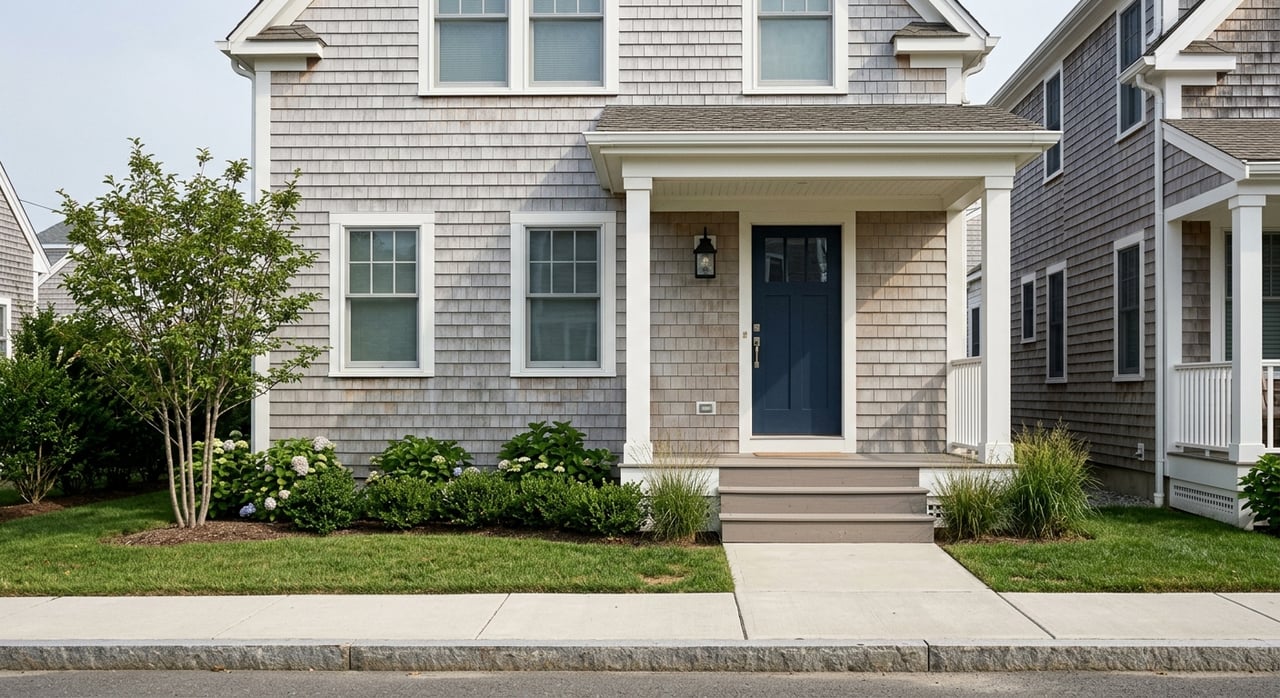
Buying Near Revere Beach: What To Know
July 23, 2026
July 23, 2026
If you love the idea of living near the ocean without giving up access to Boston, buying near Revere Beach can feel like a smart middle ground. You get a true coastal setting, but you also need to think through the realities that come with dense shoreline living, seasonal crowds, parking rules, and flood risk. This guide will help you understand what stands out about buying near Revere Beach so you can weigh the lifestyle, the housing options, and the practical trade-offs with confidence. Let’s dive in.
Revere Beach is not a quiet resort strip set apart from the city. It is an urban coastal neighborhood about five miles north of Boston, with roughly three miles of coastline and a mix of residential and commercial frontage.
That matters when you start your home search. If you are picturing a beach town with mostly detached homes on large lots, this area may feel more active and more built up than expected. If you want beach access with city connections, that same setup may be exactly what makes Revere Beach appealing.
The housing mix near the shoreline reflects the area’s urban setting. City planning and zoning materials show single-family, general residential, apartment, high-rise mixed-use, and neighborhood business districts across Revere.
Closer to the beach, higher household density helps explain why condos and multi-unit buildings are more common than detached homes. Waterfront Square is described by the city as high-end residential complexes, and Suffolk Downs is planned as a transit-oriented mixed-use neighborhood.
If you want to live near the sand, you will likely see more condos, apartments, and larger residential buildings than stand-alone houses. That can be a plus if you want lower exterior maintenance or a more accessible price point than a detached coastal home.
It also means you should compare buildings carefully. Layout, parking, fees, storage, and building rules can shape your day-to-day experience just as much as the location itself.
Single-family zoning does exist in Revere, but the immediate beach area is generally denser. If your top priority is a detached home, you may need to widen your search beyond the most direct beachfront blocks.
This is where it helps to be clear about your priorities. You may need to balance beach proximity against space, privacy, parking, or property type.
For many buyers, the biggest reason to consider this area is simple: the beach itself. State and city information lists amenities such as lifeguards, restrooms, a pavilion, playground, first aid, paved walkways, beach mats, and beach wheelchairs.
That gives you more than a water view. You get a shoreline area designed for regular public use, which can make morning walks, outdoor time, and easy beach access part of your normal routine.
Revere Beach also stands out because it is served by the Blue Line at Wonderland and Revere Beach stations, with access toward downtown Boston. For many buyers, that is one of the area’s strongest advantages.
You are not just buying near the coast. You are buying into a location that can support a more connected day-to-day lifestyle, especially if commuting into Boston is part of your routine.
Living near the beach in January is not the same as living near it in July. Buyers should expect more activity during the warmer months, including visitor traffic, parking pressure, and a busier public environment.
That is not necessarily a drawback. For some people, the extra energy is part of the appeal. The key is knowing in advance whether you want a lively seasonal setting or a quieter one.
For the 2026 season, the Department of Conservation and Recreation lists the beach as open beginning May 23, with early-season lifeguard coverage starting June 13 and regular coverage through September 7. Some sections may also close for piping plover nesting.
That means beach use can shift based on the season and environmental conditions. If direct and predictable beach access is a major part of your decision, it is worth understanding how those rules may affect specific stretches of shoreline.
Dogs are prohibited from April to mid-September. If you have a dog or plan to get one, this is an important detail to factor into your lifestyle planning.
A beach-adjacent home may still work well for you, but you will want to think through your walking routine and what the seasonal rules mean for daily life.
Parking is one of the most practical issues to review before you buy near Revere Beach. The city advertises free 4-hour parking along Revere Boulevard, while other beach-area parking rules include resident-only stretches and time-limited restrictions.
In many parts of Revere, overnight parking permits also come into play. That can affect not only your own routine, but also how easy it is for guests, household members, or future tenants to park.
Before making an offer, it helps to confirm:
These details can have a big impact on convenience. A great location can feel very different if parking is harder than you expected.
Flood risk is one of the most important issues to evaluate when buying near Revere Beach. The city directs buyers to review its GIS flood maps, notes that Revere participates in the National Flood Insurance Program, and states that it enforces floodplain regulations and maintains floodplain maps.
This is not a box to check at the last minute. It is a core part of understanding the long-term costs and risks of coastal ownership.
The city’s flood-ready materials say Boston Harbor sea levels are projected to rise 4 to 8 inches by 2030 and 15 to 36 inches by 2070. The city links that trend to higher coastal flood risk during large storms.
For buyers, that means today’s decision should include tomorrow’s conditions. Even if a property fits your budget and lifestyle now, you should also think about resilience, insurability, and how the location may perform over time.
The city has identified specific areas with higher concern. Beachmont has a resilience plan focused on Pearl Ave, Summer St, Crystal Ave, Crescent Ave, and Winthrop Ave. Point of Pines and Riverside have also been identified by the city as especially vulnerable to climate-related impacts.
The city also references flood sensors at Mills Ave, Rumney Marsh, Belle Isle Marsh, and Pearl Ave. That reinforces the idea that flooding here is a real planning issue, not an abstract one.
If you want a beach address and access to Boston, Revere has a strong case. The city says Revere Beach is about five miles north of Boston, and local data puts the average commute time for Revere residents at 29 minutes, though Point of Pines is above that average.
Compared with some other beach-adjacent North Shore communities, Revere is generally the more rapid-transit-oriented option. That can make it especially appealing if you want coastal living without depending entirely on a car.
Many buyers may find it realistic to live car-light here because of Blue Line access. At the same time, summer traffic, parking controls, and block-by-block differences still make a car useful for many households.
In other words, the area may support flexibility, but the experience depends on your exact location and routine. A home near transit may feel very different from one that is farther from the station or more affected by seasonal congestion.
Buying near Revere Beach is often about trade-offs. You may gain ocean access, transit convenience, and a more connected location, but you also need to look closely at density, parking, and flood exposure.
A smart buying decision usually starts with a few simple questions:
When you answer those questions early, you can narrow your search faster and avoid surprises later.
Beach-adjacent purchases often come with more moving parts than buyers expect. Property type, building rules, parking, flood exposure, and commute patterns can all shape whether a home is the right fit.
That is why it helps to work with a team that can walk you through the details, explain trade-offs clearly, and help you compare options based on how you actually want to live. With practical experience across North Shore and Greater Boston markets, The Caceda Team can help you evaluate coastal condos, multi-unit opportunities, and commuter-friendly homes with a steady, informed approach.
If you are thinking about buying near Revere Beach, connect with The Caceda Team for practical guidance tailored to your goals.
Stay up to date on the latest real estate trends.


The Caceda team strives to get their clients into a home they want to buy, not a property they just need to buy. Their knowledge and experience give them a distinct advantage in helping clients purchase their dream homes.