Living In Everett MA: Commuter-Friendly City Life
July 9, 2026
July 9, 2026
Wondering if you can get Boston-area access without giving up a true city feel? Everett stands out for exactly that reason. If you want a place with active transit connections, mixed housing choices, and everyday amenities close by, this guide will help you understand what living in Everett, MA really looks like. Let’s dive in.
Everett is a compact city in Greater Boston with a lot of movement packed into a small footprint. The city has an estimated 53,572 residents in 2025 across just 3.42 square miles, which creates a dense, urban feel rather than a spread-out suburban one. For many buyers and renters, that density translates into closer access to transit, businesses, and daily essentials.
If your routine involves getting into Boston or traveling across the region, Everett is built around those patterns. The city says eight MBTA transit lines serve Everett, and local transportation planning continues to focus on improving connections to downtown Boston. That makes Everett especially appealing if you want options beyond relying on a car every day.
The average commute also helps set expectations. Census data shows a mean travel time to work of 35 minutes. That suggests Everett fits well for people with regional commutes who want to stay connected to Boston and nearby employment centers.
One of the most important things to know about Everett is that its commuter story is bus- and corridor-focused. This is not a subway-centered city. Instead, the transportation network is shaped by major roads, frequent bus use, and ongoing efforts to improve how people move through the area.
A key example is the Lower Broadway and Alford Street Transit Priority Corridor. The city says more than 8,000 riders use buses on the 105 and 109 lines there every day. Planned improvements include a dedicated busway, better stops, separated bike lanes, pedestrian safety upgrades, and future Silver Line 3 service.
That matters because it points to a city investing in the routes residents already use. Rather than treating commuting as an afterthought, Everett is actively working to make common daily trips smoother and more efficient. If you value practical transportation improvements, that is a strong sign.
Everett’s commuter appeal may grow even more in the coming years. In late 2025, the city and MBTA began design work on a Silver Line extension along Lower Broadway. The proposed extension would run from Chelsea through Everett to Sullivan Square.
The city says the stations are planned with shelters, heating, and real-time arrival information. While future transit projects take time, the design work shows clear momentum. For buyers thinking long term, that kind of investment can be an important part of how a city evolves.
Transit is a big part of life in Everett, but it is not the only option. The city highlights the Northern Strand Bike Path and bike lanes on Lower Broadway as important transportation improvements. If you like the idea of mixing transit, biking, and walking into your routine, Everett offers a more flexible setup than many people expect.
For drivers, urban tradeoffs come with the territory. Everett issues residential parking stickers, operates meters, and enforces street sweeping rules. In other words, owning a car can be useful, but you should expect to pay attention to parking logistics as part of everyday life.
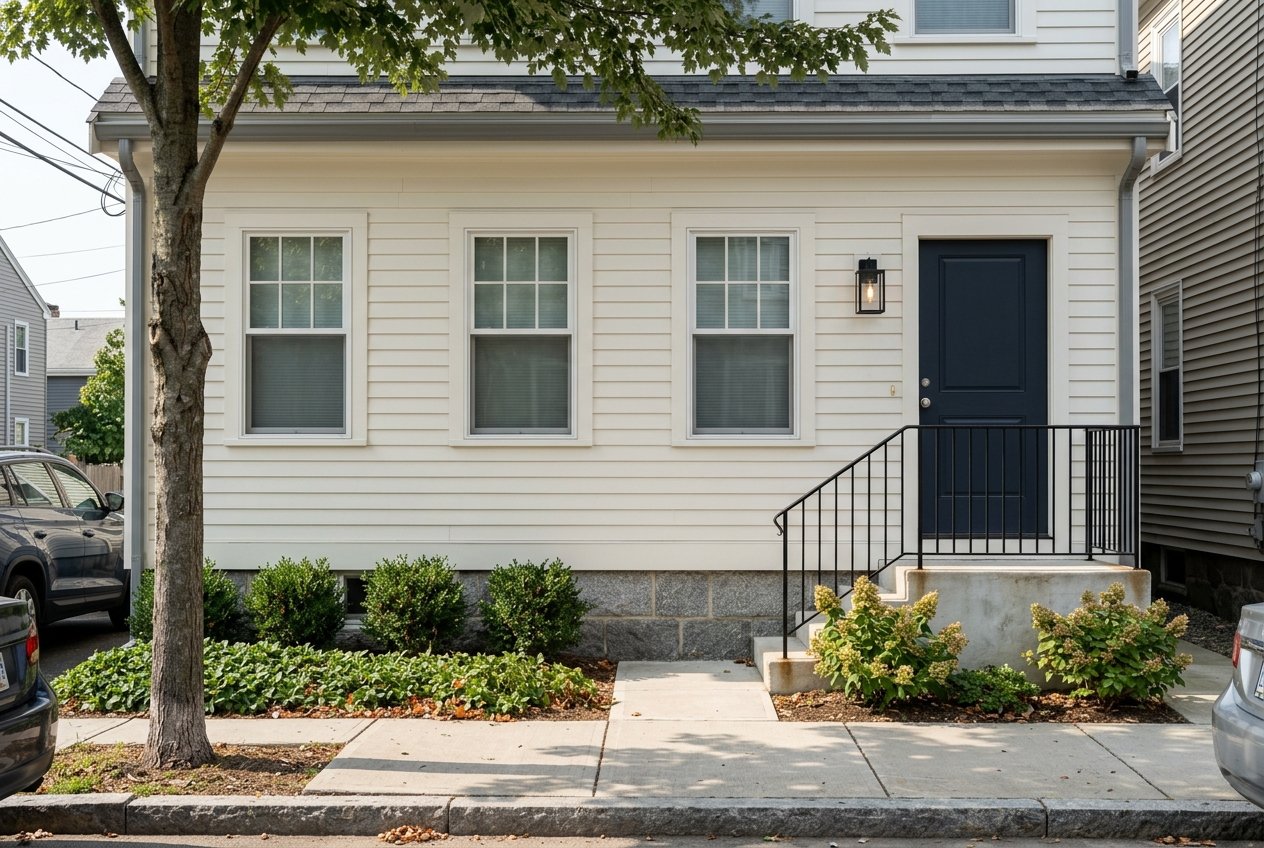
Everett’s housing market matches its urban layout. This is a dense, mixed-housing city where condos, rentals, and smaller multi-family properties play a major role. If you are picturing a classic detached-house suburb, Everett may feel very different from what you expect.
The owner-occupied housing rate is 37.2%, which means renters make up the majority of occupied homes in the city. Census data also shows a median owner-occupied home value of $610,000 and a median gross rent of $2,076. That mix can make Everett relevant for first-time buyers, renters planning a future purchase, and investors looking at multi-unit opportunities.
For many people, the real appeal is variety. You may find housing choices that better match a commuter budget or lifestyle than in some nearby areas, especially if you are open to condos or multi-family formats. A flexible mindset can go a long way here.
If you plan to buy in Everett, it helps to be prepared. Redfin reported a median sale price of $674,596 in May 2026, with homes averaging five offers and selling in about 18 days. That points to an active market where well-priced homes can move quickly.
Speed does not mean you should rush blindly. It means you need a clear budget, a realistic wish list, and a plan for moving quickly when the right property appears. In a market like Everett, practical guidance can make a big difference.
Everett offers more visible housing support than many small cities. The city’s Housing Division works with renters, homeowners, and landlords, and it provides services such as eviction prevention, landlord-tenant mediation, and rehabilitation support. That kind of local infrastructure can be meaningful if you want a city that is actively engaged in housing issues.
For buyers, one of the most notable programs is the city’s first-time homebuyer assistance. Everett says eligible buyers may qualify for up to $20,000 in assistance, and the program can apply to condos, single-family homes, and multi-family homes. If you are trying to bridge the gap between renting and owning, that is worth exploring early in your planning process.
Everett is not standing still. The city says it was named a Housing Choice Community in 2025 and permitted more than 1,500 new homes over the past five years. That signals ongoing change and a city that is adding housing rather than resisting growth.
For buyers and investors, that can mean a market with continued evolution. For residents, it can mean more options and continued investment in infrastructure. Growth does not solve every housing challenge, but it does show that Everett is planning for the future.
Commuter convenience matters, but daily life matters just as much. Everett’s official city profile emphasizes parks, public spaces, restaurants, small businesses, and community pride. That combination helps create a neighborhood-based feel even within a dense urban setting.
The city’s events calendar also points to regular civic activity. Recurring programming includes a farmers market and larger community events at Glendale Park. If you want a place where there is visible local activity beyond just commuting in and out, Everett checks that box.
Gateway Park is a strong example of how Everett is investing in outdoor space. Planned improvements include a new boardwalk to the Malden River, more trees and native plantings, and stream and wetland restoration with stormwater upgrades. The project is part of a broader waterfront vision for the city.
That kind of investment adds another layer to city living. You are not only looking at transit and housing, but also at how public space improves over time. For many residents, that shapes quality of life in a meaningful way.
Everett also benefits from waterfront-oriented features that add a different dimension to the city. Encore Boston Harbor’s Harborwalk includes public art and water transportation docking facilities connected to the Mystic River and Boston Harbor. Even if that is not part of your daily commute, it adds to the sense that Everett is connected, active, and evolving.
Small details like this can shape how a city feels week to week. You may be choosing Everett for commuting convenience, but stay for the access to parks, public spaces, and a more dynamic local environment.
A city works best when daily needs are easy to reach. In Everett, Parlin Memorial Library on Broadway and the Everett Recreation Center on Elm Street add practical community value. These kinds of places help support routines for workdays, weekends, and everything in between.
That is an important part of the Everett lifestyle. You are not just buying a home or signing a lease. You are choosing how you want everyday life to function.
Everett is also one of the more multicultural communities in the area. Census data shows that 45.9% of residents are foreign-born, and 63.4% of residents age 5 and older speak a language other than English at home. That points to a city with a wide range of backgrounds, languages, and everyday experiences.
For many people, that diversity is part of what makes Everett feel lively and welcoming. It also supports the city’s identity as a place with strong neighborhood energy, local businesses, and a lot of everyday activity.
Everett can be a strong match if you want:
It may be especially attractive if you are a first-time buyer, a renter planning your next move, or an investor looking at commuter-oriented housing demand.
No city is one-size-fits-all, and Everett has tradeoffs to consider. The market is active, parking requires attention, and the housing stock often leans toward denser living formats. If you want a large-lot suburban setting, Everett may not deliver that feel.
Still, if your priority is convenience, connectivity, and a city environment with momentum, Everett deserves a closer look. The key is knowing what matters most to you before you start your search.
If you are weighing Everett against other Greater Boston communities, having a team that understands pricing, property condition, and neighborhood tradeoffs can help you move forward with more confidence. Whether you are buying, selling, investing, or exploring rental options, The Caceda Team can help you find the right fit for your goals.
Stay up to date on the latest real estate trends.


The Caceda team strives to get their clients into a home they want to buy, not a property they just need to buy. Their knowledge and experience give them a distinct advantage in helping clients purchase their dream homes.