The Casino Didn't Build Everett's Housing Boom. A Zoning Vote Did.
September 24, 2026
September 24, 2026
"We are encouraging high density. We aren't looking for a lot of 5,000 square-foot lots. We don't want to see the small buildings."
That's Everett Building Commissioner Jim Soper, talking to the city council in August 2018 about a zoning package most people outside Everett have never heard of. Ten months later, Wynn Resorts opened the doors on a $2.6 billion casino along the Mystic River, and the casino got all the credit for what happened next.
It's the tidier story. A billion-dollar resort lands in a blue-collar city, cranes appear, home values climb. Everyone understands that plot. But the timeline doesn't actually support it, and if you're comparing Everett to other North Shore or Greater Boston neighborhoods right now, the difference matters more than it sounds. The zoning vote came first. The casino came second. And right now, in September 2026, the casino's own story is more unsettled than the housing pipeline it supposedly built.
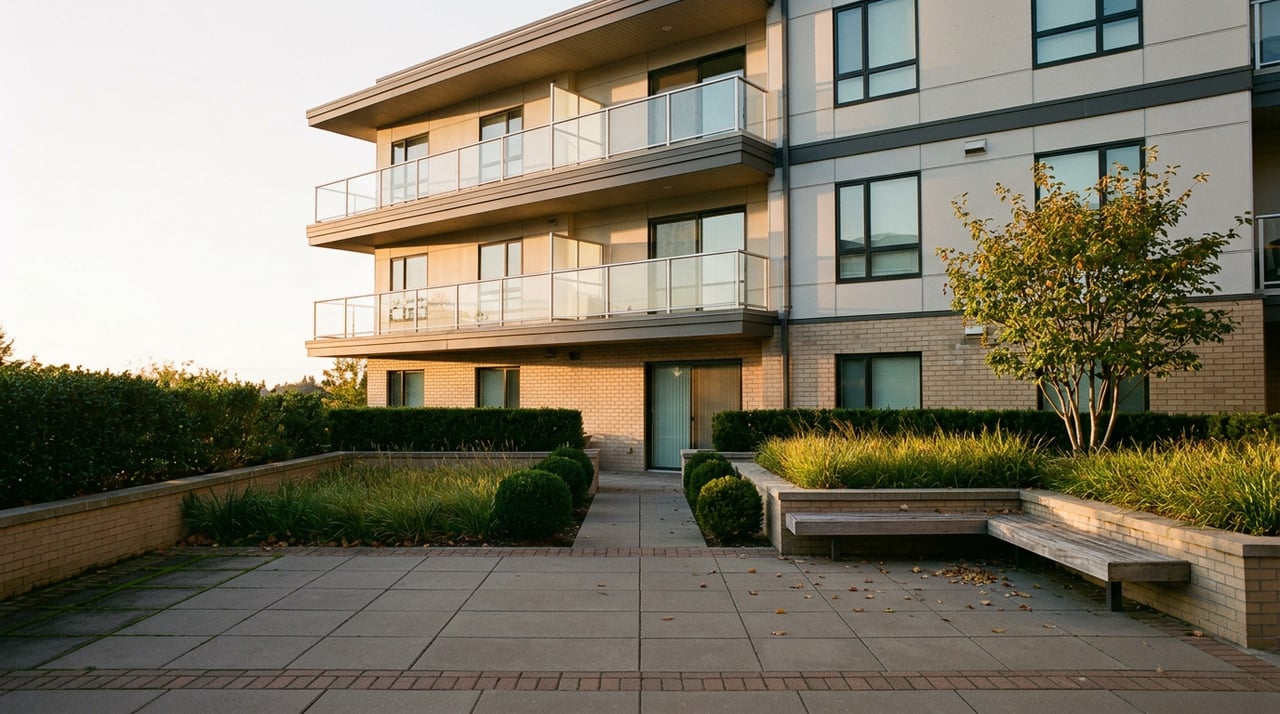
Soper's comments came during the Everett City Council's approval of new zoning for the Commercial Triangle, a roughly 100-acre stretch of former scrapyards and warehouses wedged between the Revere Beach Parkway and the MBTA rail tracks. The new rules let developers build seven-story mixed-use buildings by right, meaning no lengthy variance process, no board-by-board negotiation, just a site plan review. That vote happened in August 2018. Encore Boston Harbor didn't open until June 23, 2019.
If the casino had single-handedly created Everett's building boom, you'd expect construction to follow the ribbon cutting. Instead, the rules that made large-scale housing possible were already on the books before Encore's first slot machine was plugged in.
The longer price history backs this up. According to the real estate analytics firm The Warren Group, Everett's median single-family sale price rose 38.5 percent between 2018 and 2024, and 30 percent when condos are included. That run started the same year as the zoning change, not the year Encore opened, and it kept going well past any single grand-opening bump. Combined home and condo sales spiked 36 percent in 2021, then cooled as mortgage rates climbed from roughly 2.96 percent to 6.2 percent, which tells you the bigger swings in Everett's market track interest rates and construction pipeline timing, not a casino calendar.
The real mechanism is procedural, and it's not glamorous. Matt Lattanzi, the city's planning and development director, has described a one-table review system where department heads from fire, police, engineering, and planning meet with developers before any public hearing happens. That single step eliminates the back-and-forth revision cycles that stall projects in neighboring cities for years.
Lattanzi has said the city's larger multifamily projects, the kind running 700-plus units, typically clear the Planning Board in two to three months, with total time from introduction to entitlement topping out around four months. Compare that to Boston, where planning and permitting reviews routinely stretch far longer, and you can see why developers who need land near the city but can't stomach Boston's approval timeline keep landing in Everett instead.
Since 2019, the Commercial Triangle alone has seen more than 5,000 housing units permitted and over 3,000 built, with the city estimating infrastructure capacity for up to 20,000 units total. The names behind those projects are specific and worth knowing if you're comparing this corridor to older Everett neighborhoods:
None of this required a casino next door. It required a city willing to rezone ahead of demand and then get out of its own way once developers showed up.
Here's where the confusion actually lands for anyone shopping Everett listings. As of March 2026, the citywide median sale price in Everett was $680,000, down 1.1 percent from a year earlier, with homes selling in about 18 days. If you stopped there, you'd conclude the market had gone flat.
But look at Downtown Everett specifically, and the picture flips. Over the three months ending June 2026, the median sale price there was $915,000, up 8.9 percent from the same period a year earlier, with homes moving in about 16 days. Zillow's broader citywide index, which averages across every housing type in the city, put the typical Everett home value at roughly $643,000 in mid-2026, up about 1.4 percent year over year, sitting almost exactly between those two extremes.
None of these numbers are wrong. They're measuring different housing stock. Much of Everett outside the Triangle and downtown core is still older duplexes, converted multi-families, and detached homes from the early twentieth century, the kind of inventory that moves at a steadier, more modest pace. Downtown and the Commercial Triangle are where the new podium-style buildings and condo conversions are landing, and that inventory is pulling its own median upward even as the city's older housing stock holds closer to flat.
If you're comparing Everett's "median price" to a neighboring city's median price without asking which Everett you're actually looking at, you're comparing two different products under one label.
For buyers thinking about investment property or multi-family purchases in Everett, it's worth knowing that the city's zoning doesn't hand developers a blank check. Everett requires new developments to include inclusionary affordable units on-site, with no option to pay a fee instead of building them, and it collects linkage fees of $1,000 per new housing unit plus an additional per-square-foot fee on commercial projects. The city's newer Section 3A multifamily district, adopted in December 2023 to comply with the state's MBTA Communities zoning law, requires 15 percent of units in qualifying projects to be affordable at 80 percent of area median income. Those requirements shape what actually gets built, and they're part of why new construction rents and sale prices in the Triangle sit where they do rather than climbing without limit.
Meanwhile, the thing everyone assumed drove all of this is having a rough month on its own terms. Encore Boston Harbor union workers, represented by Teamsters Local 25 and UNITE HERE Local 26, went on strike on September 4, 2026, seeking a $10-an-hour raise phased over four years along with health care and pension guarantees. The Everett City Council took up a resolution backing the workers on September 14, and during the casino's license renewal hearing this past June, Wynn officials testified that 567 Everett residents currently work at the resort.
Layered on top of that, a Boston Globe retrospective published September 5, 2026, marking seven years since Encore's opening, found the casino's own executives still debating whether it ever became the regional draw it was built to be, even while crediting it with real community wins: a $68 million environmental cleanup of a formerly contaminated waterfront site, more than $370 million in payments to the city in lieu of taxes, and a commitment of up to $25 million toward a future MBTA commuter rail stop.
In other words, Encore's identity as a "destination" is still being argued over by the people who run it. The housing pipeline a few blocks away, built on a zoning decision from 2018, has kept moving regardless.
If you're weighing Everett against another North Shore or Greater Boston community, the practical takeaway isn't that Everett is hot or cold. It's that "Everett" isn't one market to evaluate. A buyer looking at older multi-family stock in the city's established neighborhoods is shopping a different product, at a different price trajectory, than a buyer looking at a new-construction condo in the Commercial Triangle or downtown corridor. Sellers should be careful about which comps get used, since a Triangle new-build sale doesn't tell you much about pricing an older triple-decker two miles away. And investors eyeing the rental math in the district should factor in the inclusionary and linkage fee requirements that shape what a project can actually charge and still pencil out.
Did Encore Boston Harbor cause Everett's home prices to rise? It contributed to Everett's visibility and tax base, but the zoning change that made large-scale housing legal in the Commercial Triangle passed in August 2018, roughly ten months before the casino opened in June 2019. The price growth documented by The Warren Group also extended well past any single opening-year effect.
Why does Everett's median price look different depending on where I check? Citywide figures blend older multi-family housing stock with brand-new construction concentrated in downtown and the Commercial Triangle. As of March 2026, the citywide median sale price was $680,000, while Downtown Everett's median over the prior three months was $915,000. Both numbers are accurate. They're describing different segments of the same city.
Does the current Encore labor dispute affect the housing market? Not directly in terms of construction or permitting, which are governed by the city's separate zoning framework. But it's a reminder that the casino's role in Everett's broader story is still being negotiated in real time, even as development elsewhere in the city continues on its own timeline.
Everett rewards buyers and sellers who know which part of the map they're standing on. If you're trying to figure out whether a specific block, building, or price point makes sense for what you're trying to do, The Caceda Team can walk through the comps that actually apply to your situation, not the citywide average. Reach out for a free home valuation and we'll show you exactly where your property fits into Everett's split market.
Stay up to date on the latest real estate trends.


The Caceda team strives to get their clients into a home they want to buy, not a property they just need to buy. Their knowledge and experience give them a distinct advantage in helping clients purchase their dream homes.